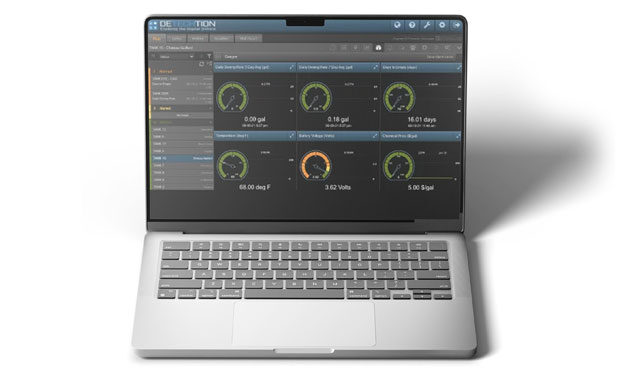

Glossary of Compressor Fleet Management Terms
Knowledge That Helps Power Better Compressor Performance.
Managing compressor operations across a fleet comes with complexity. This glossary defines common terms related to gas compression in upstream and midstream oil and gas operations, helping operators, engineers, and operations teams better understand the concepts that shape performance, reliability, efficiency, and emissions.
Redefining Oilfield Possibility
When you can seamlessly evolve alongside regulatory requirements, operational needs, and technological updates, day-to-day life is a lot easier.
With another level of bandwidth and operational control, you can focus on building the future-proof and proactive infrastructure needed to thrive and grow in the new energy landscape.
Rooted in Strategy, Powered by Science
Detechtion exists at the intersection of oilfield expertise and technology. Each of our solutions is curated to solve the critical obstacles between oilfield operations and compression fleets and their full potential.
Key Terms in Compressor Fleet Management
Use the definitions below as a quick reference for common terms related to gas compression and compressor fleet performance.
Compressor Control Automation
Automation of operational processes, allowing remote control and extended operational range of assets.
Compressor Data Integration
Integration of all equipment and data sources to provide comprehensive insights and seamless communication across the operation.
Compressor Downtime
Compressor Fleet Management (CFM)
The process of managing and optimizing compressor fleets, including data collection, monitoring, and predictive maintenance to enhance efficiency and reduce downtime.
Compressor Monitoring
The continuous collection and analysis of data to track the performance and condition of equipment.
Compressor Optimization
Improving the efficiency and effectiveness of operations through real-time adjustments and predictive analytics.
Compressor Reliability
A measure of how consistently a gas compressor performs as expected over time. Improving reliability helps reduce unplanned shutdowns, extend equipment life, and support more predictable operations across compressor fleets.
Compressor Utilization
Condition Monitoring
The practice of monitoring compressor equipment health through operating data, alarms, and performance trends to detect early signs of wear or abnormal behavior. Condition monitoring supports more proactive maintenance planning and failure prevention for gas compressors.
Compression Performance Insights
Utilizing real-time data and analytics to inform decision-making and optimize performance.
Digital Twin Optimization
A virtual model of physical assets that helps in predicting and optimizing performance through simulation.
Edge Computing
Processing data at the source (edge) rather than relying solely on centralized data centers, enabling real-time analytics and decision-making.
Emissions Management
Monitoring and reporting emissions data to ensure compliance with environmental regulations and support sustainability initiatives.
Energy Efficiency
Using less energy to achieve the same or better compressor performance. In gas compression, energy efficiency is often tied to lower fuel use, lower power consumption, reduced emissions, and improved operating economics.
Failure Prevention
Strategies and technologies aimed at detecting and addressing potential failures before they cause disruptions.
Lease Operating Expenses (LOE)
Costs associated with the daily operation of oil and gas production, which can be reduced through efficient management and optimization.
Operational Visibility
A clear, timely view of what is happening across compressors, compressor packages, compressor skids, and fleets. Strong operational visibility helps teams validate conditions faster, prioritize action, and reduce time lost to fragmented data.
Predictive Maintenance
Using data analytics to predict and address maintenance needs before failures occur, reducing downtime and improving reliability.
Production Bottlenecks
Constraints that limit the flow, processing, or delivery of production. In gas compression operations, bottlenecks can result from underperforming equipment, downtime, poor utilization, or limited system visibility.
Real-Time Compressor Data
Continuous gathering of data from operational activities to provide up-to-date information for decision-making and optimization.
Root Cause Analysis (RCA)
A structured process for identifying the underlying cause of an operational issue or equipment failure. In gas compression operations, root cause analysis helps teams correct recurring problems instead of only treating the symptoms.
Downtime Tracking
Unlock Your Compressor Fleet's Full Potential
Understanding the language of gas compression is only the start. Improving performance across compressor packages, compressor skids, and fleets takes the right combination of data, insight, and compression expertise.
Since 1999, Detechtion has helped operators turn operational data into action through an integrated Compression Optimization Suite designed to improve utilization, reduce downtime, prevent failures, and support emissions management across upstream and midstream operations.
See how Detechtion can help you improve performance across your compressor fleet. Schedule a demo today.
We Empower the Next Era of Oilfield Efficiency
Combining the world’s most advanced technologies with elevated oilfield strategy, our solutions set organizations up for unprecedented success. Ready to evolve?

We Empower the Next Era of Oilfield Efficiency
Combining the world’s most advanced technologies with elevated oilfield strategy, our solutions set organizations up for unprecedented success. Ready to evolve?
Visit our Learning Center
Gain insights into case studies, market trends, and new technologies.
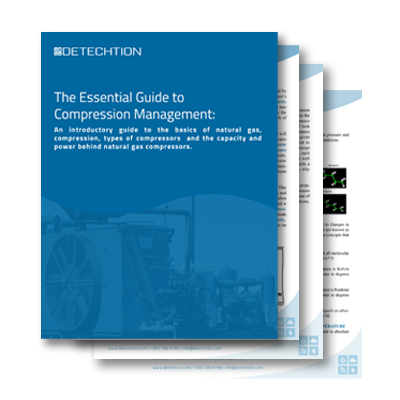
Compression 101
An introductory guide to the basics of natural gas, compression, types of compressors and the capacity and power behind natural gas compressors.